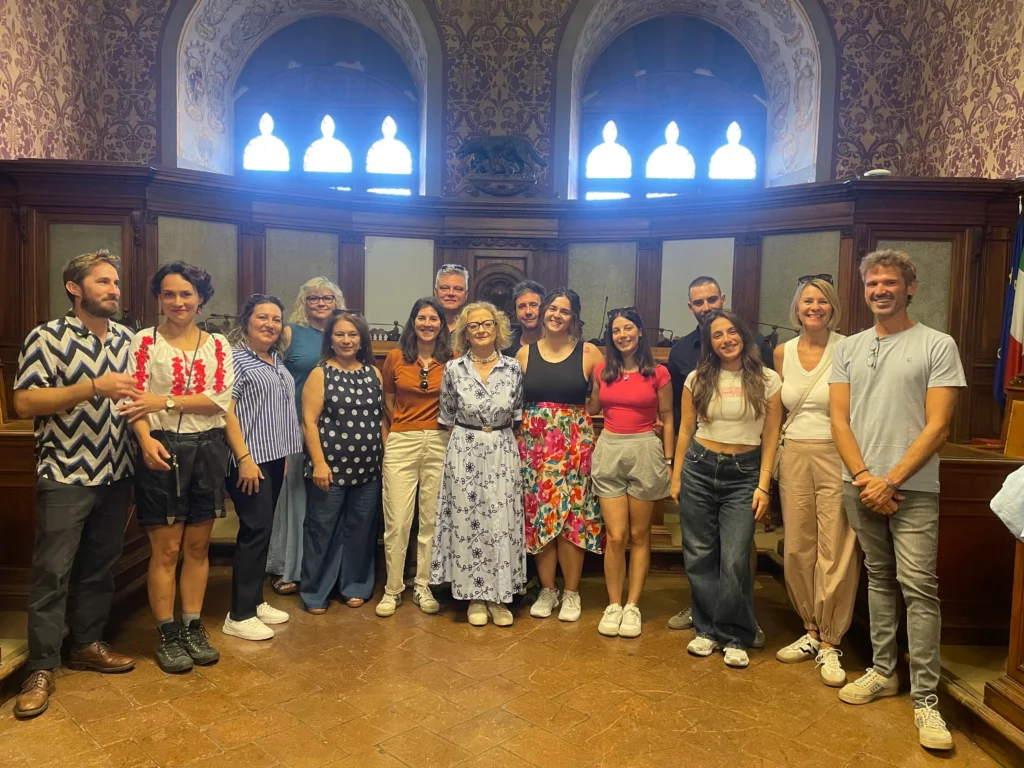






On 12–13 September 2026, partners of the Green Visionary Artistry project gathered in Siena, Italy, for the project’s 7th international event, hosted by the Municipality of Siena.
Entitled “Theatre for Tomorrow – Dramatizing Eco-Consciousness,” the event explored how theatre, cultural heritage and creative expression can become powerful tools for raising environmental awareness and encouraging communities to reflect on sustainability.
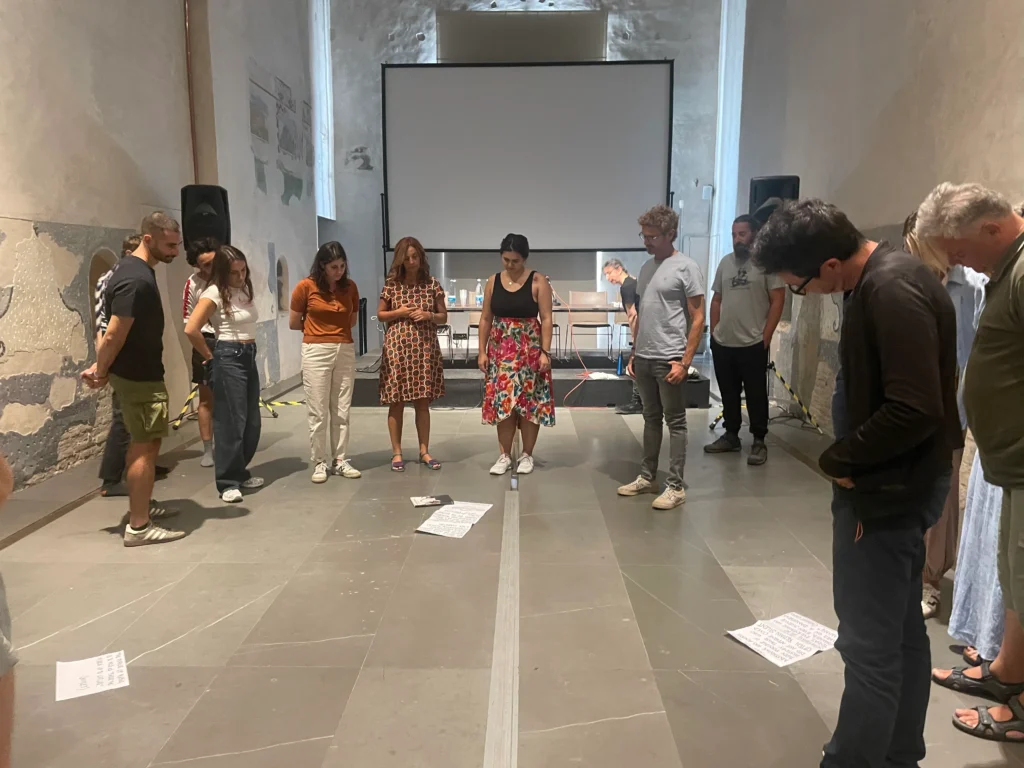
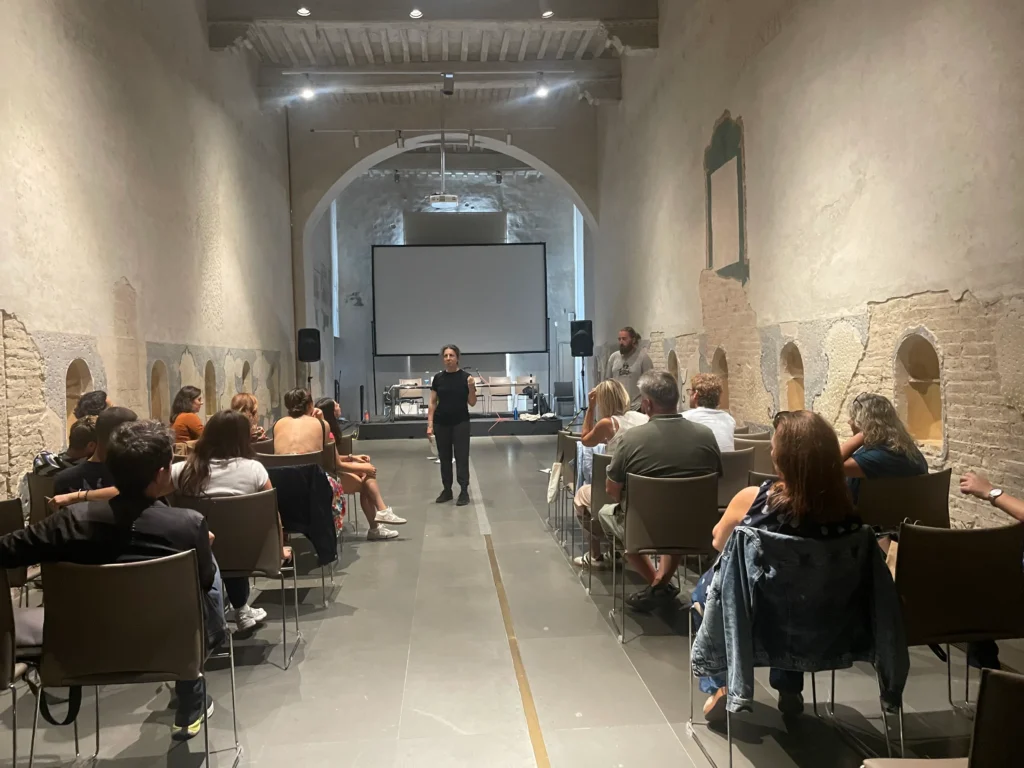
The programme opened at Siena City Hall, followed by a visit to the historic Rinnovati Municipal Theatre. Participants then continued to the Santa Maria della Scala Museum, where they discovered “The Water Trail” and took part in a drama workshop focused on the connection between artistic expression and environmental themes. The first day concluded with an exchange with the local cultural association PRO+ at Fortezza Medicea.
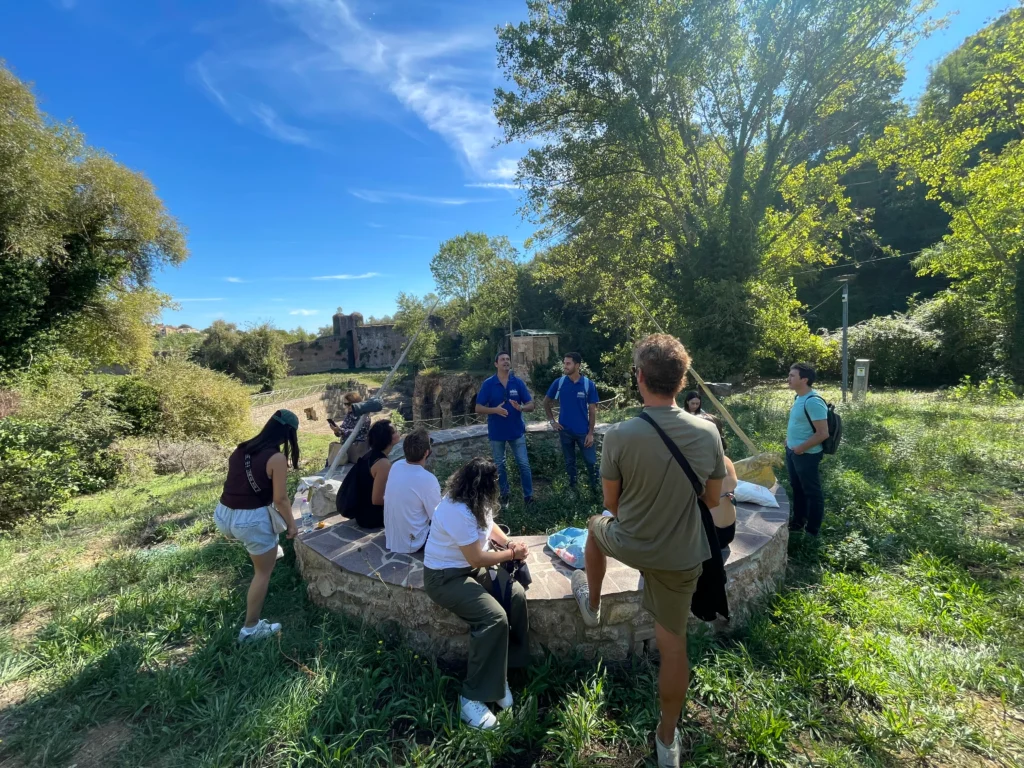
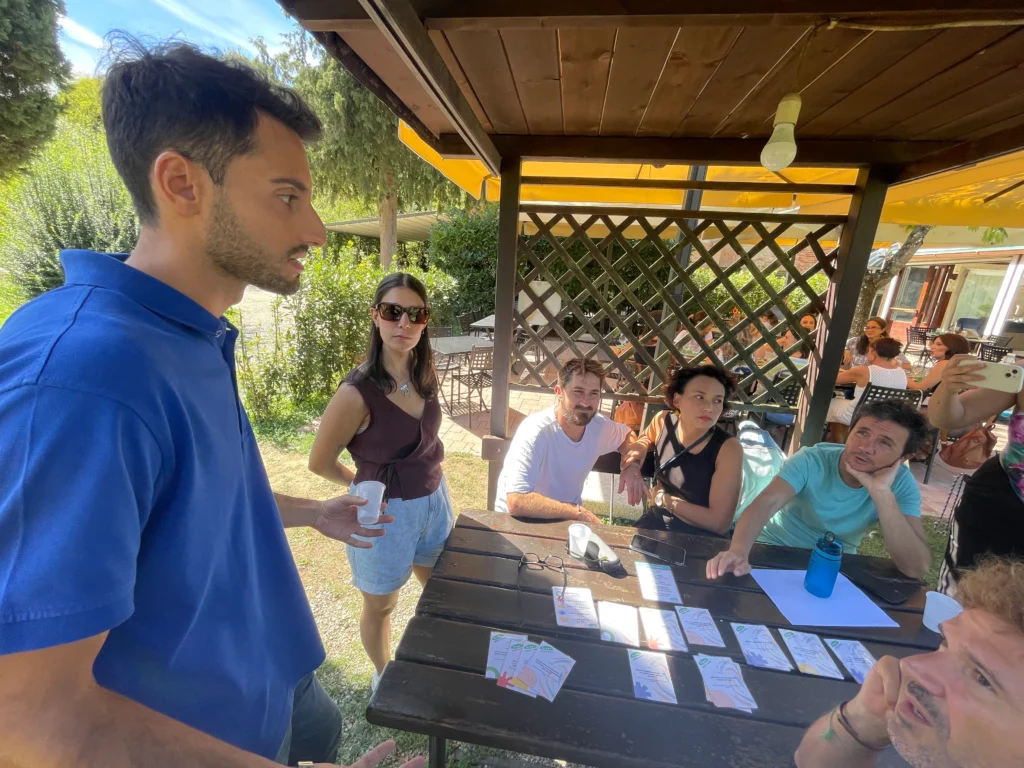
The second day brought participants closer to Siena’s natural and community spaces. The group visited the Follonica Valley together with representatives of the Leocorno contrada and met with the La Diana association, gaining insight into local heritage and community initiatives.
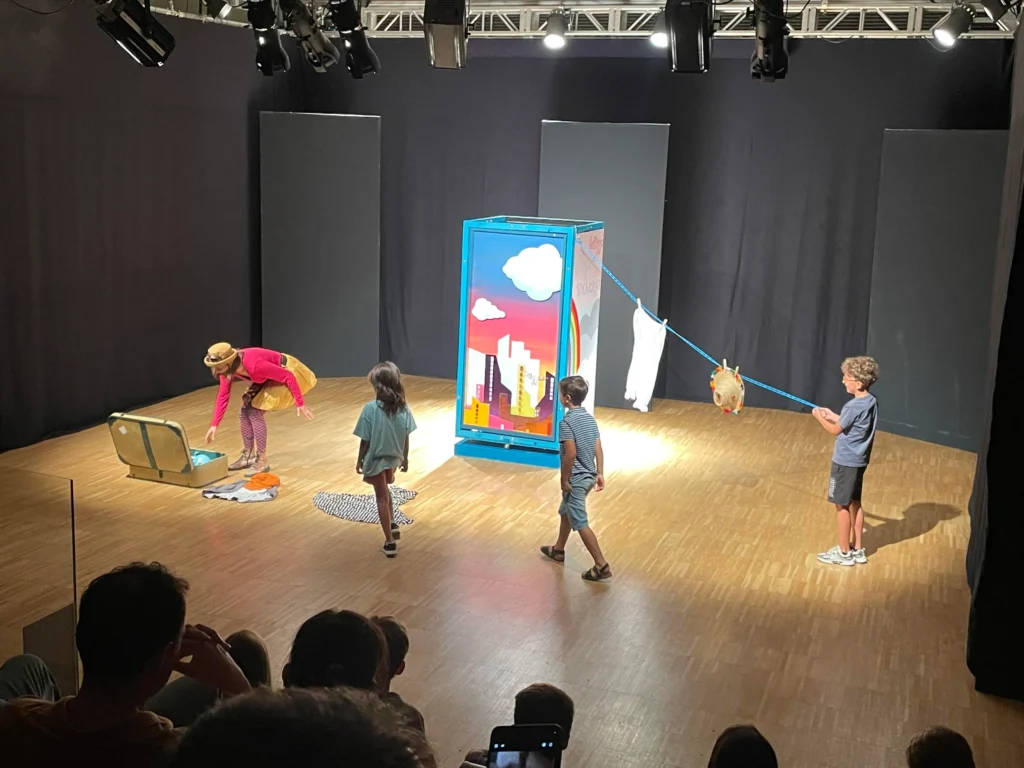
Later, participants explored the grove and urban gardens of San Miniato, followed by theatre outreach activities designed to bring artistic expression into community spaces. The event culminated with the theatre production “Scintilla” at Fonti di Pescaia, bringing together the central themes of creativity, participation and environmental consciousness.
The Siena event demonstrated that environmental awareness does not have to be limited to traditional educational settings. A theatre, a museum, an urban garden or a public space can all become places for dialogue, learning and action.
Through experiences such as this, Green Visionary Artistry continues to connect European communities and explore innovative ways in which art and culture can inspire citizens to engage with environmental challenges and contribute to a more sustainable future.
Funded by the European Union. Views and opinions expressed are however those of the author(s) only and do not necessarily reflect those of the European Union or the European Education and Culture Executive Agency (EACEA). Neither the European Union nor EACEA can be held responsible for them.